
Trying to enjoy a weekend movie night often turns into a frustrating exercise in adjusting the volume just to hear the dialogue over loud background music. You might spend hours rearranging the furniture hoping to improve the muffled sound, only to realize the television's built-in speakers simply cannot fill the room. A well-planned home audio system solves this exact problem by placing the right components in the correct layout for your specific listening environment.
Our local Austin AV experts have already done the heavy lifting to figure out exactly what works for different room shapes and sizes so you can skip the guesswork. In this guide, we cover the essentials of planning your room layout, choosing the best speaker configurations, comparing wired and wireless options, and finding the perfect receiver to power your entertainment space.
Upgrade Your Sound Experience
Build the ultimate entertainment space with our premium selection of receivers and speakers.
Explore home audio systemKey Takeaways
- Room Dimensions Matter: Your physical room shape and seating distance dictate the type of speakers you need to purchase.
- Receiver Power: A quality AV receiver acts as the brain of your setup to decode high-resolution audio formats accurately.
- Proper Positioning: Placing your center channel and main speakers at ear level makes a massive difference in sound clarity.
- Installation Choices: Blending architectural and freestanding speakers gives you maximum flexibility for both room aesthetics and sound performance.
How Room Layout Impacts Your Home Audio System
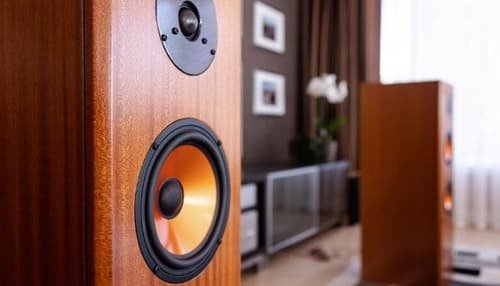
The physical layout of your room directly dictates how your audio setup will perform. A dedicated home theater allows for precise acoustic treatments and ideal seating arrangements. A mixed-use media room or open-concept living space presents more challenges with reflective surfaces and asymmetrical walls.
Room dimensions and ceiling height influence whether you need powerful floor-standing speakers or a more compact setup. Mapping out your floor plan and seating distance before purchasing equipment is the best way to prevent muddy sound. A small room quickly becomes overwhelmed by oversized woofers, while a large room will make compact speakers sound incredibly thin.
Choosing the Right Speaker Configuration for Your Home Audio System
Selecting the correct number of channels depends entirely on your room size and viewing habits. Adding more speakers is not always better if your room's acoustic profile cannot support them. Overcrowding a small space with massive speakers often leads to distorted bass and overlapping sound waves.
Common Audio Setups
- 2.1 Stereo: Includes two front speakers and one subwoofer for a straightforward music and TV upgrade.
- 5.1 Surround: Features a front left, front right, center, two rear surrounds, and a subwoofer for standard movie immersion.
- Dolby Atmos: Adds upward-firing height channels to create a three-dimensional sound canopy directly above your seating area.
The center channel is strictly dedicated to producing clear dialogue so you never miss a word. Your front left and right speakers handle the main musical score and directional action, while the surrounds fill in the environmental background noise.
Comparing Wired vs. Wireless Home Audio System Technologies
| Feature | Wired Audio Technology | Wireless Audio Technology |
|---|---|---|
| Audio Fidelity | Delivers uncompressed, lossless high-resolution audio formats. | Depends on Wi-Fi bandwidth and compression algorithms. |
| Latency and Lag | Zero delay between the video on screen and the sound. | Minor syncing delays can occasionally happen over crowded networks. |
| Installation Complexity | Requires running cables through walls and baseboards. | Fast setup that only requires plugging components into an electrical outlet. |
| Aesthetic Impact | Cables must be properly hidden to keep the room looking neat. | Offers a clean look with zero speaker wire clutter. |
| Multi-Room Flexibility | Needs permanent wiring running back to a central hub. | Easily expandable by moving speakers between different rooms. |
Why the Right AV Receiver is Essential for Your Home Audio System

An AV receiver acts as the central brain and power source for your entire entertainment hub. It takes the incoming signal from your television or media player and decodes high-resolution audio formats. Modern receivers also manage 4K and 8K video inputs to keep your visual quality matching your sound quality.
A standard receiver provides enough built-in amplification for most standard living room setups. High-fidelity dedicated theaters often require an external amplifier to properly drive power-hungry floor-standing speakers. Matching the receiver's power output to your speaker's required impedance is the best way to prevent overheating your equipment.
Perfecting Speaker Positioning in Your Home Audio System
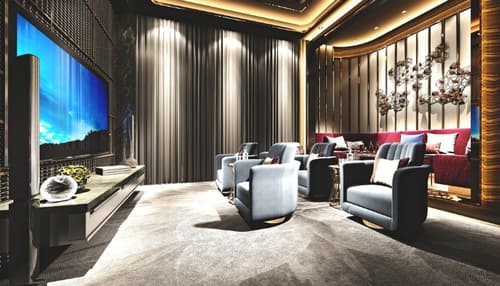
Buying premium equipment only gets you halfway to great sound if you place the components incorrectly. Start by positioning your center channel directly above or below your television screen. Keep your front left and right speakers exactly at ear level and equidistant from your primary listening seat. When setting up your front soundstage, always pull your freestanding speakers at least 12 inches away from the back wall to prevent the bass from sounding muddy.
Subwoofer placement requires some trial and error, but keeping it away from tight room corners helps prevent localized, booming bass buildup. Use the built-in room calibration microphone provided by your modern AV receiver to automatically optimize these acoustics. The receiver will send test tones to each channel to calculate the exact distance and volume required for your seating position.
Integrating Architectural vs. Freestanding Speakers

Homeowners often debate between installing hidden architectural speakers and traditional freestanding models. In-wall and in-ceiling architectural speakers save valuable floor space while blending perfectly into your home's design. This makes them a highly popular choice for whole-home audio systems and open-concept living rooms.
Freestanding bookshelf or tower speakers remain the top choice for dedicated audiophiles seeking maximum acoustic performance. Traditional wooden speaker cabinets provide deeper bass resonance and allow you to easily upgrade individual pieces over time. Many modern setups actually mix the two, using freestanding speakers for the front stage and architectural speakers for the rear surrounds.
Professional Home Audio System Installation Pros and Cons
Investing in a professionally installed, built-in setup provides long-term value, but it requires more upfront planning than buying a DIY out-of-the-box solution. Understanding the trade-offs helps you choose the best path for your budget and specific home renovation timeline.
Pros
Custom Calibration
Technicians use specialized meters to balance the sound perfectly for your specific seating arrangement.
Clean Aesthetics
Professionals hide every wire behind the drywall for a sleek, finished appearance.
Optimized Equipment Matching
Installers pair the exact right amplifier wattage to your specific speaker impedance so nothing overloads.
Network Stability
Hardwiring the components guarantees you will never drop audio during an important movie scene.
Cons
Higher Initial Cost
Paying for professional labor and premium materials increases your upfront financial investment.
Permanent Layout
Moving your television or couch later requires more physical effort to reroute the buried speaker wires.
Frequently Asked Questions about Home Audio Systems
A custom home audio system installation typically ranges from $1,500 for a basic living room upgrade to over $10,000 for a dedicated theater. The final cost depends heavily on your equipment tier and the physical complexity of running wires behind existing walls.
You do not need a dedicated AV receiver if you purchase active speakers because the amplification is already built into the speaker cabinet. Active monitors plug directly into the wall for power and take the audio signal straight from the source.
The optimal placement for a home theater subwoofer is typically along the front wall, slightly off-center from the television. Keeping it out of the direct corner prevents the low frequencies from becoming overly loud and distorted.
You can mix and match different speaker brands for your rear surrounds and ceiling channels without major acoustic issues. However, you should always match your front left, front right, and center channel from the exact same product line to maintain a cohesive soundstage.
Professionals hide speaker wires in existing rooms by fishing the cables through the attic, crawlspaces, or directly behind the drywall. They use specialized glow rods and wall plates to route the connections cleanly without damaging your interior paint.
In-ceiling speakers are not sufficient for a primary home theater audio experience because they project sound straight down instead of directing it toward your ears. They work wonderfully for overhead effects and background music, but your primary dialogue and action should always come from ear-level front channels.
Upgrade Your Home Audio System Today with Austin's AV Experts
Designing the perfect entertainment space starts with understanding your room layout and choosing the right combination of receivers and speakers. Proper positioning and professional calibration make all the difference in delivering crystal-clear dialogue and immersive sound. At A&B TV, our local Austin team offers expert showroom guidance, professional home theater design, and precise audio calibration. Stop by today to explore the best equipment and let us handle your next installation with the customized, personal service you simply won't find at big-box electronics stores.
Why Trust A&B TV?
With decades of experience in performance audio and video solutions, A&B TV has been a trusted name in the industry since 1967. As a family-owned and operated business, we take pride in offering competitive prices, expert guidance, and high-quality installations. Our 10,000 sq. ft. showroom features the largest selection of performance televisions in Central Texas, along with dedicated listening rooms where you can experience audio setups before making a decision. Backed by a knowledgeable team with over 300 years of combined experience, we ensure that every customer receives personalized service and expert advice. Visit DAVE and see why we’ve been Austin’s go-to A/V destination for over five decades!
Shop for Home Audio Systems in Austin, TX
Experience the best in home entertainment by visiting A&B TV’s today! Whether you're looking for a simple upgrade or a full home theater setup, our expert team is here to guide you every step of the way. Stop by today to see and hear the difference for yourself! Can’t make it in? Visit our website to browse our online catalog, explore exclusive promotions, and learn more about our custom design and installation services.